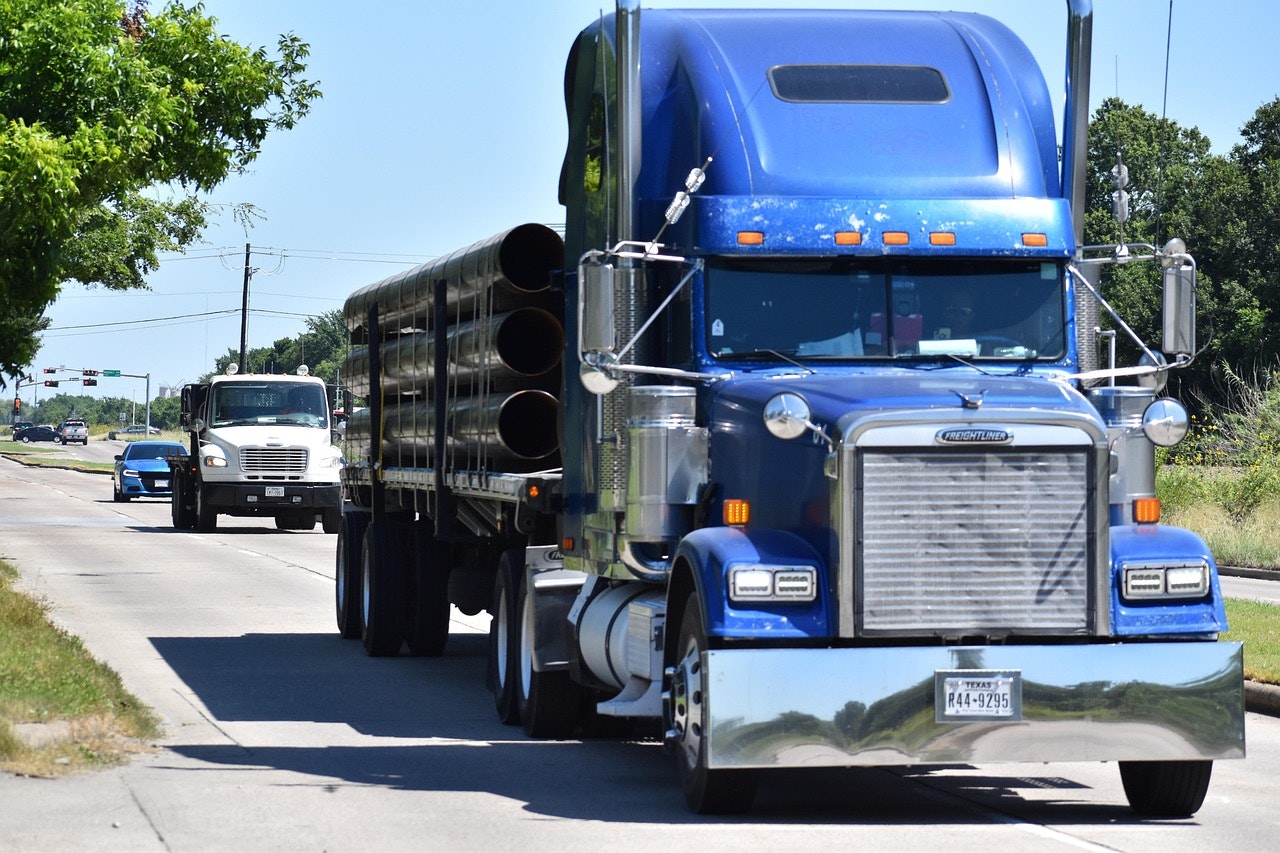
Spring Travel and Trucking Accidents: Staying Safe on the Roads of North Carolina, South Carolina, Georgia, and Alabama
Spring brings warmer weather, blooming landscapes, and an increase in travel across the Southeast. Families plan road trips, college students head to the coast, and outdoor events draw thousands of drivers onto highways throughout North Carolina, South Carolina, Georgia, and Alabama. While this seasonal surge can make for a memorable time of year, it also leads to a noticeable rise in serious trucking accidents. Understanding why this happens—and how to stay safe—can help reduce the risks for everyone sharing the road.
Why Spring Travel Increases Trucking Accident Risks
As temperatures rise, so does roadway congestion. More vehicles on major interstates like I‑40, I‑85, I‑26, I‑20, and I‑95 means less room for error. Large commercial trucks need significantly more time and distance to stop, and crowded highways make those conditions harder to achieve. Additionally, spring weather across North Carolina, South Carolina, Georgia, and Alabama often brings heavy rainstorms, fog, and high winds that can make driving particularly dangerous—especially for tractor‑trailers.
Other common factors contributing to spring trucking accidents in the Southeast include:
- Inexperienced or fatigued truck drivers: Spring travel demands can place extra pressure on truckers and lead to long hours behind the wheel.
- Distracted driving: Both truck drivers and passenger vehicle drivers may be more likely to text, check GPS, or multitask while traveling unfamiliar routes.
- Poor vehicle maintenance: More miles on the road can expose issues with brakes, tires, and trailer equipment.
- Construction zones: Spring marks the start of many road improvement projects throughout the region, creating bottlenecks and unexpected lane shifts.
Common Spring Trucking Accidents in the Southeast
High‑traffic corridors in these Southern states consistently see increased trucking-related incidents during spring. Some of the most common include:
- Rear-end collisions caused by sudden slowdowns in tourist areas.
- Jackknife accidents resulting from slick roads and abrupt braking.
- Rollover crashes in high winds or on winding rural highways.
- Multi-vehicle pileups during storms or in construction zones.
These accidents often lead to severe injuries due to the size and weight of commercial trucks, leaving victims facing medical bills, lost wages, and significant emotional stress.
Spring Safety Tips for Drivers in NC, SC, GA & AL
Whether you're driving through the Appalachian Mountains of North Carolina, the Lowcountry roads of South Carolina, the busy metro areas of Georgia, or the rural highways of Alabama, a few proactive steps can help reduce your risk:
- Allow extra travel time: Spring traffic and unpredictable weather can delay your plans—don’t rush.
- Stay out of a truck’s blind spots: If you can’t see the driver’s mirrors, they may not see you.
- Avoid sudden lane changes: Commercial trucks cannot maneuver as quickly as cars.
- Increase your following distance: Give large trucks and buses plenty of room.
- Prepare for weather changes: Rain and fog are common across the Southeast during spring.
What to Do If You’re Injured in a Trucking Accident
If you or a loved one is hurt in a trucking accident in North Carolina, South Carolina, Georgia, or Alabama, it’s important to take quick action to protect your rights. Trucking companies and their insurers often move fast to limit their liability, making it challenging for victims to get the compensation they deserve.
After seeking medical attention, consider speaking with an attorney who understands state-by-state trucking laws and how to hold negligent drivers and trucking companies accountable. Evidence such as driver logs, maintenance records, and traffic camera footage can play a crucial role in building your case.
Your Legal Options After a Truck Crash
Depending on the circumstances, you may be entitled to compensation for:
- Medical expenses
- Lost income
- Pain and suffering
- Property damage
- Long-term rehabilitation
Each state—North Carolina, South Carolina, Georgia, and Alabama—has its own unique laws governing negligence, insurance coverage, and injury claims. Working with a knowledgeable legal advocate can help ensure you understand your rights and take appropriate steps toward recovery.
Preparing for a Safe Spring on the Road
Spring is one of the most beautiful seasons in the South, but increased travel also brings heightened risks—especially around large commercial vehicles. Whether you’re planning a road trip, commuting, or sharing the highways with trucks passing through the region, awareness and caution can make a major difference in preventing serious accidents.
If you or someone you love is involved in a trucking accident in North Carolina, South Carolina, Georgia, or Alabama, help is available. An experienced legal team can guide you through your next steps and fight for the compensation you need to move forward.