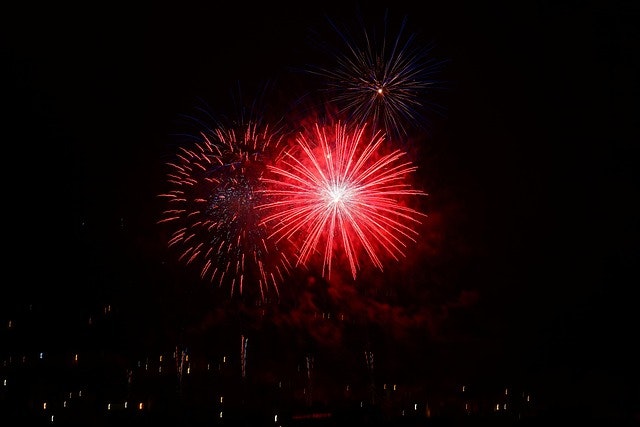
Fireworks Safety Month: Key Injury Risks and Liability
Fireworks Safety Month, spanning June through the Fourth of July, highlights the need for both enjoyment and caution during summer celebrations. Although fireworks have become a familiar part of holiday gatherings, they create substantial safety concerns and potential legal consequences each year. With an estimated 14,700 injuries reported annually, understanding FireworkSafety, FireworkInjuries, and LiabilityRisk is essential for anyone attending or hosting a display.
This rewritten overview explains why injuries surge during July 4th, outlines the most common types of fireworks-related harm, and breaks down how Personal Injury Law may apply if an accident occurs.
Why Firework Injuries Increase Around July 4
Each year, the days leading up to Independence Day show a significant spike in consumer firework accidents. The combination of casual backyard celebrations, easily accessible fireworks, and users with limited experience often leads to unsafe conditions. Many injuries happen during small private events rather than at professional shows, largely due to relaxed safety practices and lack of supervision.
Even when fireworks are legally allowed, simple mistakes—such as standing too close, misjudging launch angles, or ignoring instructions—can quickly cause severe harm. These underlying risk factors make early summer an especially dangerous time for firework-related incidents.
Common Firework Injuries You Should Know About
Fireworks can cause a range of injuries, from mild burns to life-changing trauma. Recognizing the most frequent types of FireworkInjuries can help individuals better understand the risks before participating in a display.
Burn Injuries
Burn Injuries make up roughly 37% of all fireworks-related harm each year. Hands, arms, and other exposed skin areas are typically the most affected. Sparklers, often viewed as low-risk, burn at extremely high temperatures and can easily cause serious burns.
Misfires, device malfunctions, or fireworks that fall over while ignited can result in extensive burn damage requiring medical care and ongoing treatment.
Eye Injuries
EyeInjuries remain one of the most concerning consequences of firework misuse. When spectators stand too close or when devices are launched in unsafe directions, the likelihood of eye trauma increases. Sparks, debris, and explosive pressure can lead to corneal injuries or more severe damage.
Because eye injuries can permanently affect vision, immediate medical evaluation is crucial anytime the eyes are impacted.
Lacerations, Fractures, and Hearing Damage
Firework accidents also frequently involve deep cuts, broken bones, or blunt-force trauma caused by flying debris. Malfunctioning devices can explode unpredictably and strike spectators, causing injuries to the face, head, or extremities.
The explosive sound produced by fireworks may also lead to temporary or permanent hearing loss when individuals are too close. Smoke and chemical residue can further aggravate breathing problems for those in crowded or confined spaces.
Severe Blast Injuries
High-powered fireworks, including aerial shells and mortar-style devices, pose the greatest threat. These products can inflict devastating harm, including amputations or long-term disability. When injuries reach this level of severity, liability and financial considerations often become far more complicated for everyone involved.
Understanding LiabilityRisk After an Accident
After a fireworks-related injury, determining who is legally responsible becomes an important part of the recovery process. Under PersonalInjuryLaw, liability is based on whether someone acted reasonably and took proper steps to avoid causing harm.
Duty of Care
Anyone using fireworks is expected to exercise reasonable caution. This includes selecting a safe launch site, keeping spectators at an appropriate distance, and following all manufacturer safety instructions.
If someone neglects these responsibilities and another person is hurt as a result, they may be held legally accountable.
Negligence Considerations
LiabilityRisk increases when an individual disregards basic safety practices—such as letting minors use fireworks unsupervised, firing devices toward crowds, or handling fireworks in restricted areas. Courts typically examine whether a reasonable person would have recognized the danger and taken steps to prevent it.
Premises Liability
Property owners hosting gatherings may also face responsibility if unsafe property conditions contributed to an injury. Inadequate lighting, lack of barriers, allowing fireworks near flammable structures, or failing to control crowd size can all influence potential claims.
Regulatory Compliance
Many cities and counties enforce rules governing when, where, and what types of fireworks may be used. Violating these regulations can strengthen negligence claims and complicate insurance coverage. Unlawful or reckless fireworks use often impacts how insurance carriers evaluate resulting claims.
Insurance Implications
Fireworks-related coverage varies by insurance policy. Some homeowners’ policies include limited protection for accidents, while others exclude incidents involving illegal activity. When injuries are severe, costs may exceed policy limits, creating greater financial exposure for the individuals involved.
The Financial Impact of Fireworks Injuries
The cost of a fireworks injury can extend well beyond emergency treatment. Follow-up visits, medication, rehabilitation, or specialist care may be necessary. Severe injuries may also cause lost income or reduced long-term earning potential.
Personal Injury Law claims may cover medical care, pain and suffering, emotional trauma, scarring, and decreased quality of life. Proper documentation becomes essential when pursuing compensation for these broader impacts.
What to Do If You’re Injured
If you or someone you love is hurt during a fireworks display, taking quick action can influence medical outcomes and strengthen any potential legal claim. First, seek medical attention immediately—even seemingly minor injuries can worsen without care.
Then, collect as much evidence as possible. Photographs of the area, the firework device, and the injuries can be extremely helpful. Gathering witness information and recording details while they are still fresh can also support your case.
Keep any product packaging or firework remnants, as these materials may help determine whether the device malfunctioned or was used improperly. Notify your insurance provider promptly and maintain detailed records of all communication related to the incident.
Finally, consider reaching out to an attorney early. LegalEducation about your rights can help you navigate conversations with insurance carriers and understand your available options.
Celebrating Safely This Summer
Fireworks are an exciting part of July 4th festivities, but they carry real injury and liability risks. Awareness of Firework Injuries and Liability Risk can help individuals make informed choices before participating in summer celebrations.
If you have questions about your rights following a fireworks-related injury, contact Tatum Law Firm Pllc to schedule a confidential consultation. Our team is here to support you throughout Fireworks Safety Month and help protect your best interests.