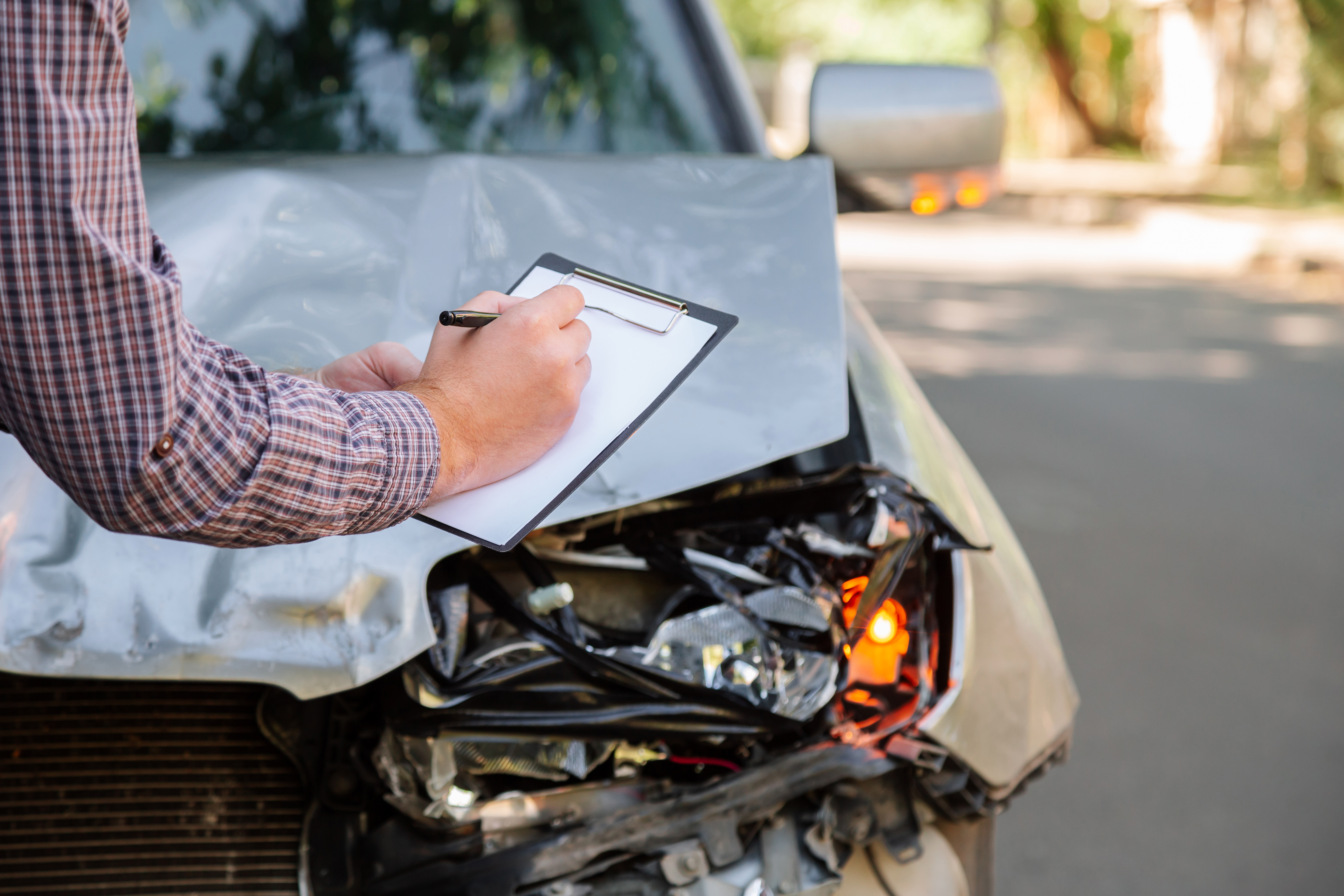
Employer liability for on-the-job car accidents
When employees are required to drive as part of their job duties—whether they're behind the wheel of a company-owned vehicle or operating their own car—their employer may share responsibility if an accident occurs. This concept is rooted in the legal principle known as respondeat superior, which holds employers accountable for the actions of their workers when those actions are performed within the scope of employment. Situations such as driving to client meetings, making deliveries, or running business-related errands typically fall under this umbrella. On the other hand, when an employee is commuting, handling personal matters, or driving under the influence, liability usually shifts away from the employer and onto the employee and their personal insurance.
Motor vehicle accidents that occur on the job are a major contributor to workplace injuries across the country. Thousands of workers are hurt each year due to these incidents, leading to lost productivity and significant recovery time. Many of the risks reflect common roadway dangers—such as distracted driving, speeding, fatigue, or poorly maintained vehicles. However, work-related driving often brings unique pressures. Tight deadlines, unfamiliar destinations, and multitasking can heighten the potential for mistakes on the road. Because of these factors, employers play a crucial role in maintaining safe driving conditions by ensuring their vehicles are serviced regularly, setting reasonable expectations for employees, and providing proper training to reduce unsafe behavior.
Employees injured in a crash while performing job duties are generally entitled to workers’ compensation benefits. Workers’ compensation is a no-fault system, meaning that even if an employee contributed to the accident, they may still receive coverage for medical bills, rehabilitation, and a portion of lost wages. That said, workers’ compensation does not include compensation for pain and suffering. In some situations, employees have the option to pursue additional claims against third parties, such as another driver who caused the accident or a manufacturer whose vehicle defect contributed to the crash. Employees who use their own vehicles for work-related tasks can still access workers’ compensation for their injuries, though any damage to their personal vehicle typically falls under their private auto insurance.
When a company car is involved in an accident, the question of liability tends to center on the specific details of the situation. Most companies carry insurance policies designed to cover incidents involving their vehicles, which may pay for property damage and injuries suffered by others. But if the employee was acting outside the scope of their job, driving under the influence, or ignoring company safety policies, the employer’s liability may be reduced. In these cases, employees could face personal financial responsibility and internal consequences. Sometimes responsibility is shared between both parties, especially when evidence suggests the employer did not properly train the driver, failed to enforce safety rules, or neglected routine vehicle maintenance.
Sorting out who is at fault after an on-the-job vehicle accident generally requires a close look at the circumstances surrounding the crash. Investigators often review the driver’s purpose at the time of the incident, the employer’s safety practices, and any relevant insurance policies. These elements help determine who is responsible for paying damages and how injured employees will be compensated. Understanding these distinctions is important for both employers and workers, as it clarifies expectations before an accident happens and provides guidance if one does occur. With clear policies, proper training, and careful attention to safety, businesses can better protect their employees and reduce the risks associated with work-related driving.