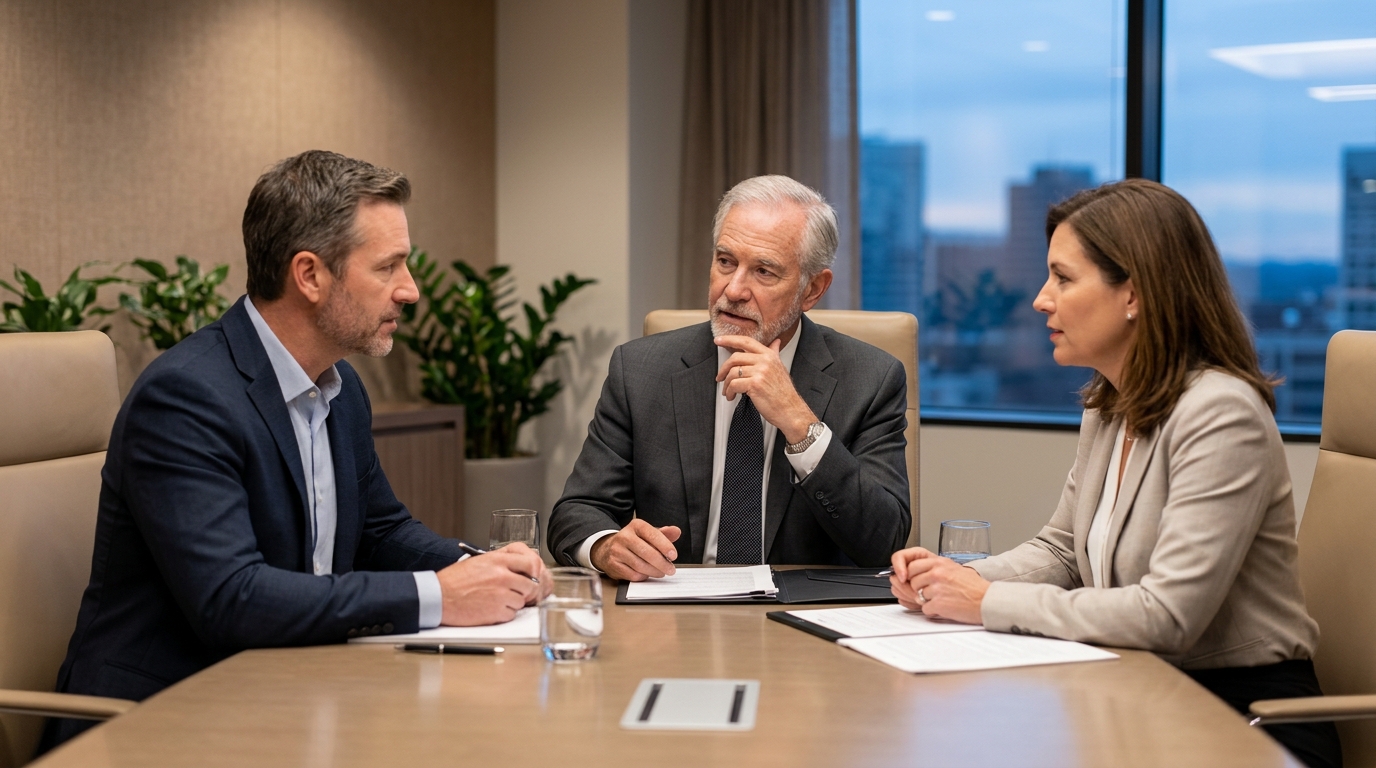
Common Mediation Mistakes To Avoid
Quick Summary: Mediation can offer a practical way to resolve a legal dispute without the cost, delay, and uncertainty that often accompany litigation. Preparing for the process, organizing key information, and staying focused on workable solutions can help you participate more confidently. At Tatum Law Firm Pllc, we help clients understand their options and approach mediation with a clear, purposeful strategy.
Understand the Purpose of Mediation
One common mistake is treating mediation like a courtroom hearing. Mediation is not a proceeding where someone determines who is right or wrong. Instead, it is a structured negotiation led by a neutral mediator who helps both sides communicate and explore possible agreements.
The mediator does not decide the outcome for either party. Their role is to identify common ground, guide productive conversations, and assist the parties as they consider solutions. Knowing what mediation is designed to accomplish can ease uncertainty and help you arrive with realistic expectations.
Set Clear Priorities Before the Session
It can be difficult to make sound decisions in mediation when you have not identified what matters most beforehand. Without defined goals, discussions may become unfocused or be driven more by frustration than by practical considerations.
Before your session, consider which issues are essential, where you may have room to be flexible, and what a reasonable resolution may look like. Clear priorities can help you stay centered during negotiations and assess settlement opportunities more thoughtfully.
Do Not Arrive Unprepared
Understanding the mediation process is important, but preparation also requires having the information that supports your position. Searching for materials during the session can slow discussions and make it more difficult to address important facts clearly.
Depending on the matter, useful documents may include contracts, emails, receipts, invoices, financial records, photographs, timelines, and other relevant materials. Organizing these documents in advance allows you to access them quickly and helps keep the mediation conversation efficient.
Consider Settlement Options in Advance
Many people spend significant time focusing on the outcome they want but do not give the same attention to possible compromises. Because mediation is intended to find terms both parties can accept, flexibility is often an important part of reaching an agreement.
Take time before mediation to think through potential settlement options and reasonable alternatives. Doing so can make it easier to evaluate proposals during the session and can reduce the pressure to make rushed decisions when negotiations become difficult.
Plan Your Opening Position Carefully
The first offer in mediation may influence the tone and direction of the negotiation. Often called anchoring, this effect occurs when an opening proposal helps shape the expectations surrounding later discussions.
Rather than deciding on an initial offer in the moment, consider your starting position before the session. A prepared opening proposal can support your broader objectives while remaining aligned with a constructive negotiation approach.
Keep Communication Respectful
Disputes can involve strong disagreements, but mediation is generally more productive when each participant communicates calmly and respectfully. People are more likely to engage in meaningful discussion when they believe their concerns are being heard.
Explain your perspective honestly without escalating unnecessary conflict. Listening closely also matters. Understanding the other party’s concerns may uncover areas for compromise that might otherwise be missed, creating a more productive setting for resolution.
Use the Mediator as a Resource
Participants sometimes overlook the value a mediator can provide during the process. Since mediation commonly includes confidential opportunities to speak privately with the mediator, those conversations can be useful for discussing concerns, questions, and negotiation possibilities.
A mediator may help the parties examine options, recognize obstacles, and evaluate the potential strengths and weaknesses of different proposals. Being candid with the mediator can make these discussions more useful and may help move the negotiations forward.
Focus on Resolution Rather Than Winning
Unlike litigation, mediation is not usually about declaring one side the winner and the other the loser. The goal is to develop a practical agreement that addresses the interests of both parties.
Approaching mediation with an all-or-nothing mindset can make compromise more difficult and reduce the likelihood of an agreement. Staying solution-focused and remaining open to reasonable alternatives can place you in a stronger position to pursue an outcome that supports your long-term interests.
Prepare for the Emotional Side of Mediation
Legal disputes can bring stress, uncertainty, frustration, and other strong emotions. While documents and negotiation strategy are important, emotional readiness should receive equal attention before mediation begins.
Difficult subjects may arise during the session. Patience, a problem-solving mindset, and breaks when needed can help you remain engaged without losing sight of your priorities. Preparing emotionally can make challenging moments easier to navigate.
Thoughtful Preparation Can Improve the Mediation Process
Productive mediation often starts well before the parties enter the session. Understanding the process, clarifying your goals, gathering relevant documents, considering settlement options, and remaining flexible can all contribute to a more effective experience.
Every legal dispute is different, but careful preparation can improve communication, lessen uncertainty, and increase the possibility of reaching a meaningful resolution. If you have questions about mediation or need help preparing for an upcoming session, Tatum Law Firm Pllc is here to help you understand your options and navigate the process with confidence.